
Series I
Recovery & Repair
Peptides studied for tissue repair, post-exercise recovery, and joint maintenance research.
Discover seriesA quiet study in canine vitality. We curate research-grade peptides and the conversation around them — for the dogs whose loyalty is measured in pounds, and devotion in years.
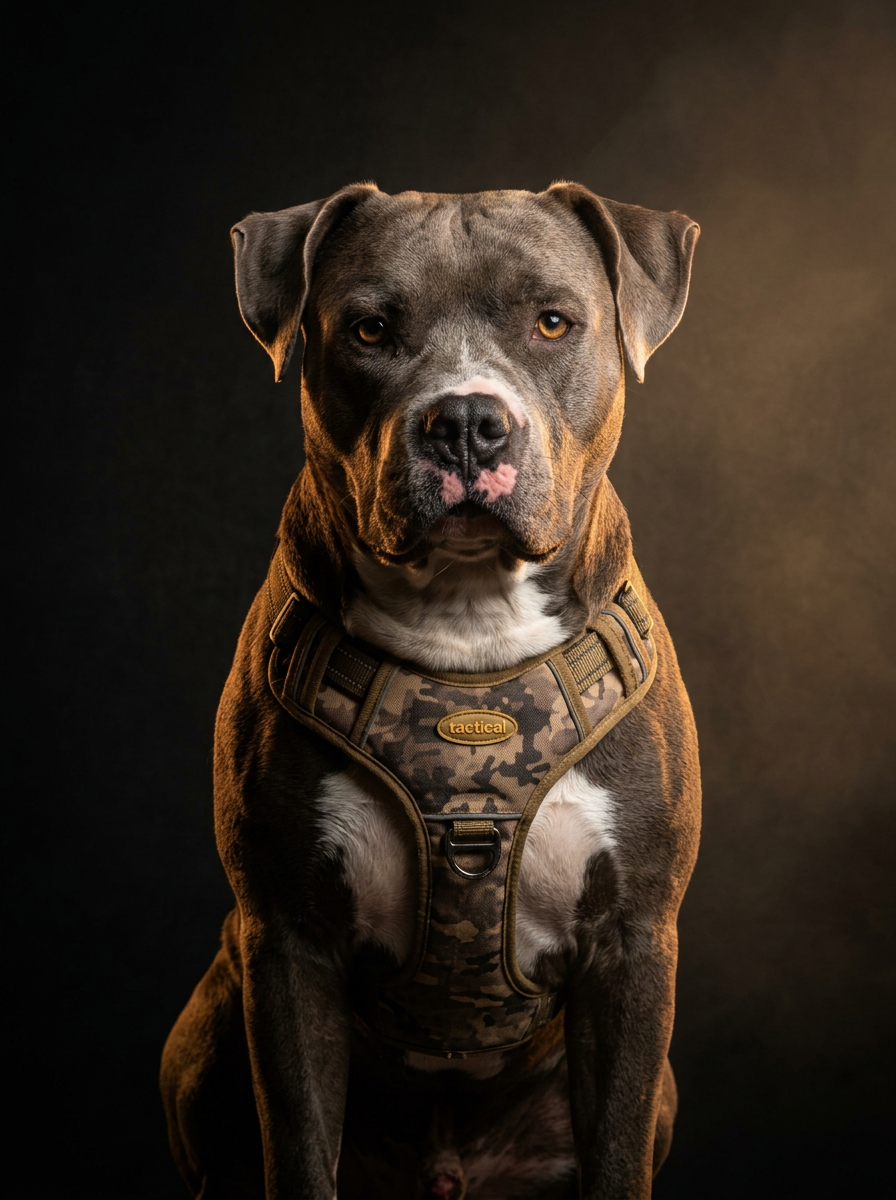

Every peptide we discuss is filtered through this lens: the dogs who guard our homes, heal our hearts, and deserve nothing less than the most considered care.
Peptides are short chains of amino acids studied for their role in cellular signaling. In the bully-breed world — pitbulls, American bullies, staffies, bull terriers — owners are increasingly curious about what the emerging research means for joint resilience, recovery, and the longer, brighter life every blocky-headed companion deserves.
We don't sell certainty. We curate clarity — the studies, the vocabulary, and the careful context that lets you have an informed conversation with your veterinarian.
Bully breeds carry their density forward. We've annotated the regions most often referenced in canine orthopedic literature — the joints where peptide research and physical therapy conversations tend to begin.
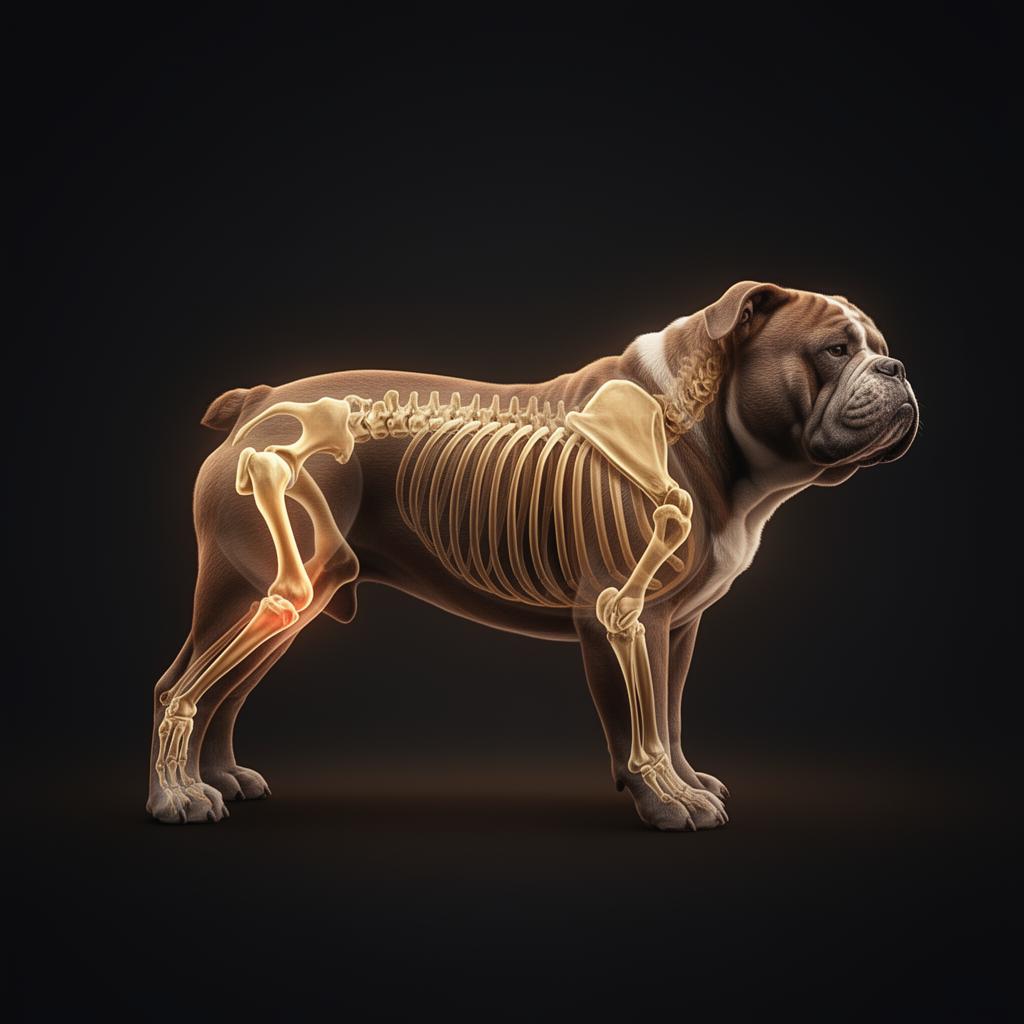
A composite reference plate — skeletal architecture and muscular wrap, rendered in the language of the brand.
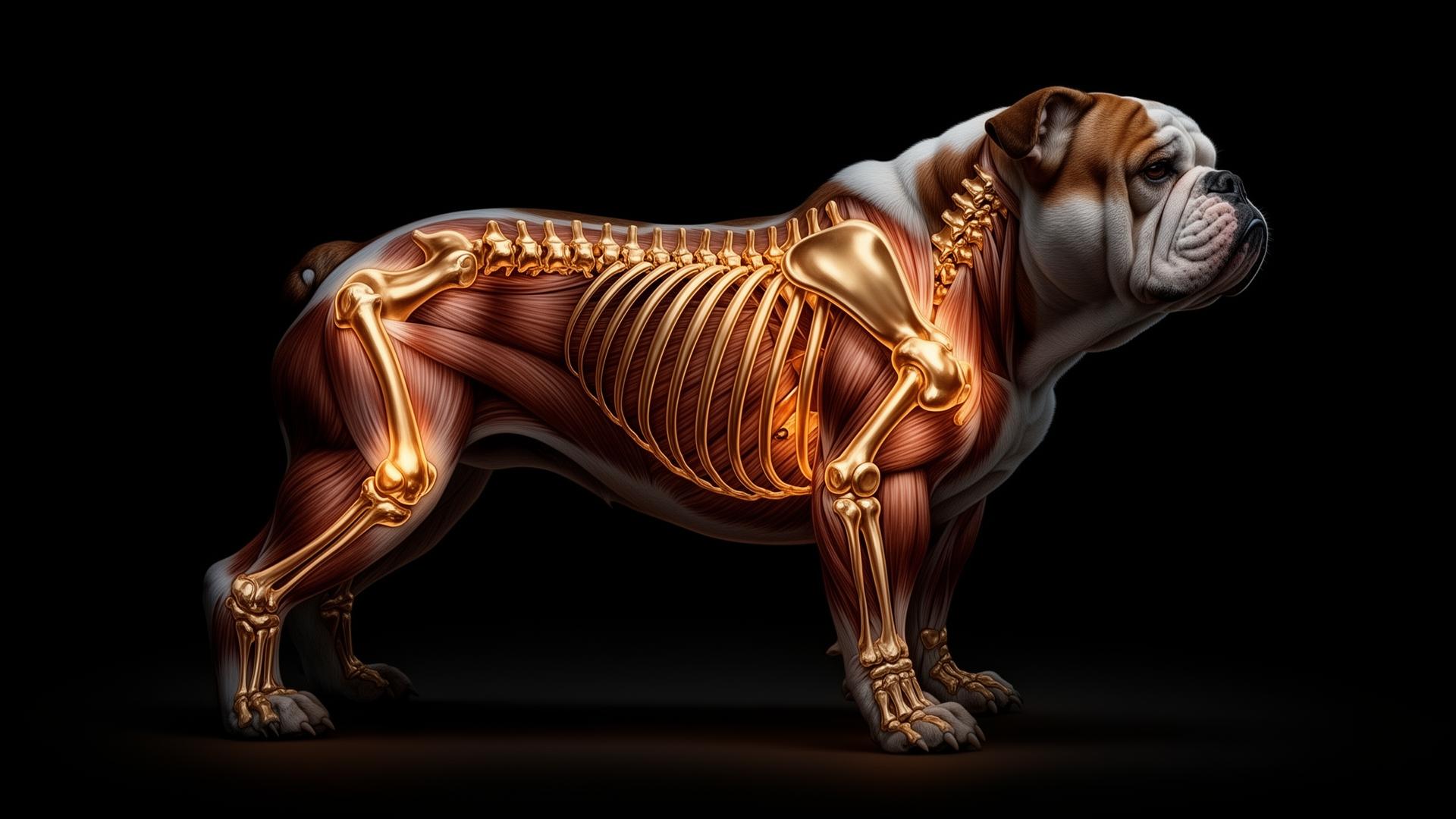
Bone mass exceeds breed-average by 18–24%, distributing load across compact joints.
Dense pectoral and gluteal tissue stabilizes the carriage; recovery signaling is critical.
Shortened lumbar segments demand attentive flexibility and core conditioning.
Front-loaded gait increases elbow and carpal repetition — a recurring research interest.
Peptides studied for tissue repair, post-exercise recovery, and joint maintenance research.
Discover series
Compounds explored in cellular aging, mitochondrial function, and quality-of-life literature.
Discover series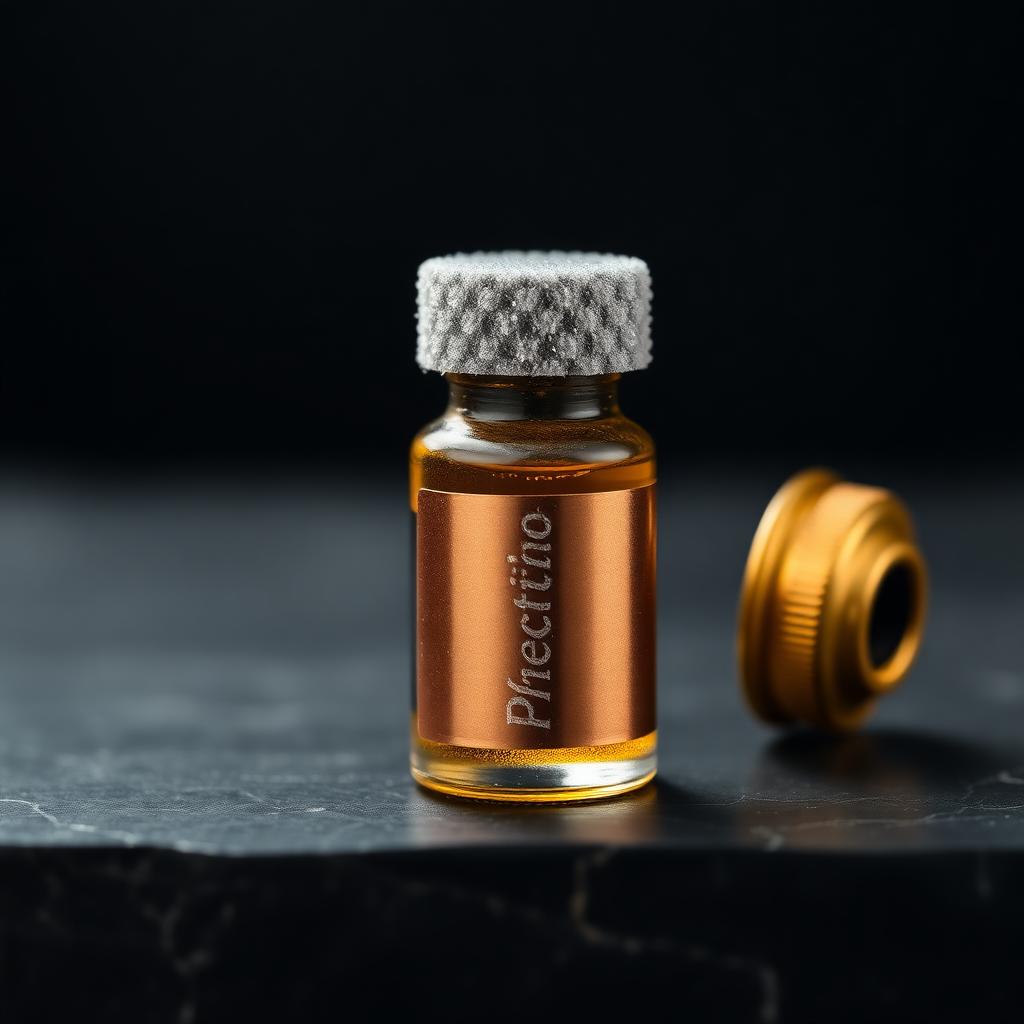
Research focused on lean conditioning, endurance, and metabolic signaling pathways.
Discover seriesNone of the following is medical advice. We share what the research community is exploring, in plain language, so you can bring better questions to your veterinarian.
Hip and elbow conformation in bully breeds is an active research area; certain peptides are being studied for their role in connective-tissue support.
Many bullies experience environmental sensitivities. Research is exploring peptide signaling in barrier function and inflammatory pathways.
Cardiac health in heavily muscled breeds benefits from informed monitoring; some compounds are studied for recovery and cardiovascular markers.
Bully breeds live shorter lives than smaller dogs. Emerging literature examines peptides in the context of healthspan research.
A growing library of careful, considered video education.
Education
In-depth, vet-conversation-ready explainers on the peptides owners ask about most.
Featured Article
A grounded look at the body-protective peptide owners are asking about — what it is, what the data supports, and how to discuss it with your vet.
Read the articleI came for the catalog, stayed for the education. The tone here is careful in a way I wish more wellness sites were.
Finally a brand that treats bully-breed owners like adults. The research summaries are the most useful resource I've found.
The category pages read like a quiet museum. I learned more in an hour than I had in months of forum scrolling.
Peptides are short chains of amino acids that act as signaling molecules in the body. Research explores their role in many biological processes.
Safety depends on the specific compound, dose, and your individual dog. We provide educational context only — always consult a licensed veterinarian.
Our focus is curation and education. Where products are referenced, they are framed as research material for informed conversations with veterinary professionals.
Bully breeds carry distinct genetic and structural traits. We believe the conversation around their wellness deserves a dedicated, careful voice.
No. Nothing on this site constitutes medical or veterinary advice. We are an educational resource.